
· 01 CATEGORY
Conductive and resistive carbon inks for printed electronics
Conductive and resistive carbon inks for printed electronics, suitable for screen printing resistive sensors, functional tracks, contacts and other printed electronic components. They can be used alone or in combination with silver conductive inks and dielectric layers.
Part of our range: Conductive inks for printed electronics
· 02
Typical applications
Use cases
- 01
Contacts, resistive elements and sensors
Carbon inks can be considered for contacts, resistive functions and printed sensors, depending on the grade.
· 04
Ranges
Category products2 REF.
· 05
Related articles
- 01
Silver ink or carbon ink: how to choose?
Silver ink is preferred when the application requires high conductivity and low electrical resistance. It is typically used for conductive tracks, electrodes, RFID or NFC antennas and printed electronic circuits.
Carbon conductive ink is particularly suited to contacts, resistive elements and applications requiring controlled resistivity. Both technologies can also be combined within the same architecture, for example pairing silver conductive tracks, carbon contacts and dielectric insulation.
Selecting a carbon grade
Carbon inks can complement a printed architecture for contacts, resistive elements or sensing functions. A combination with a silver track and dielectric layer is defined from the electrical function, substrate, process and curing conditions. Each grade’s technical data sheet provides the basis for qualification.
See also the conductive range: Conductive inks for printed electronics.
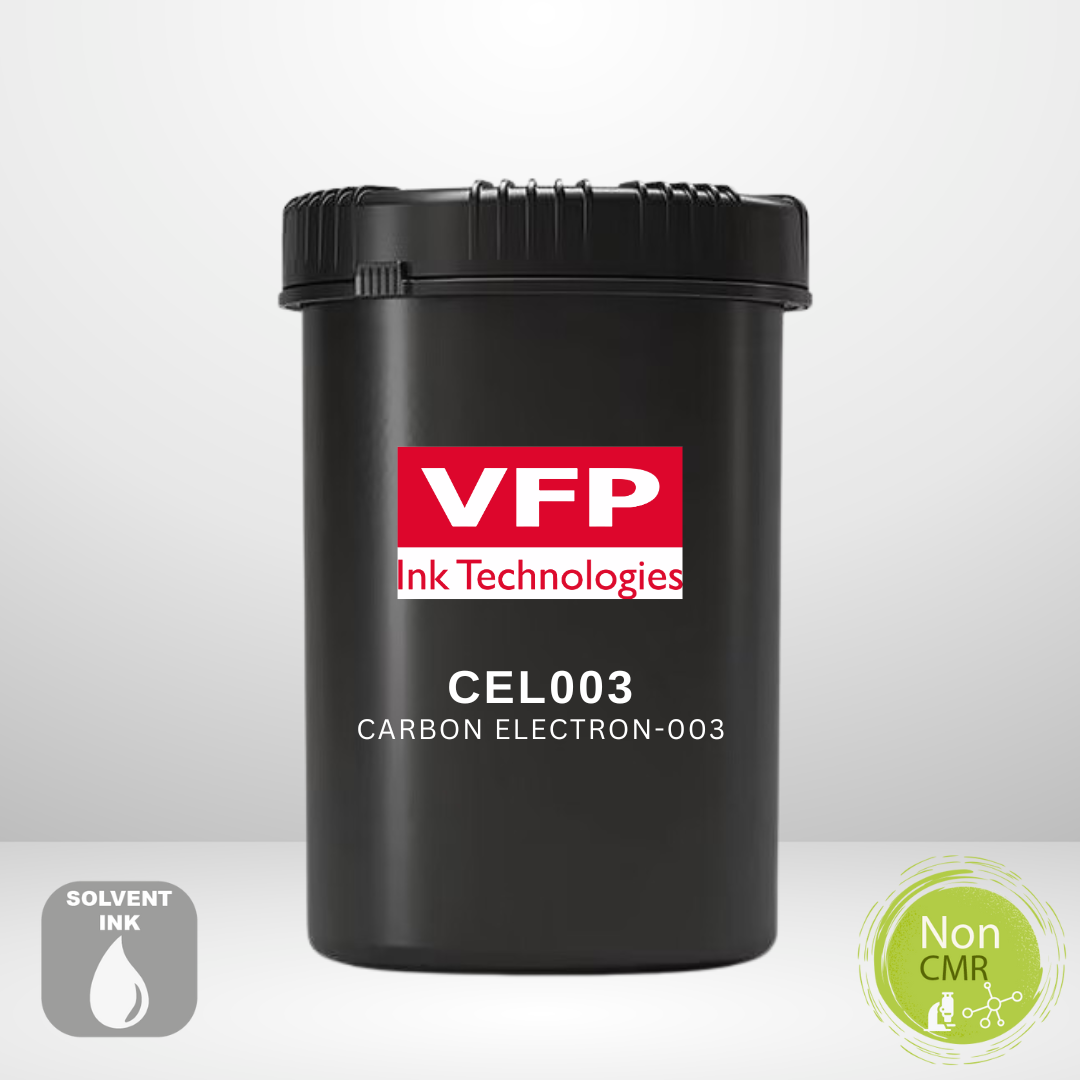
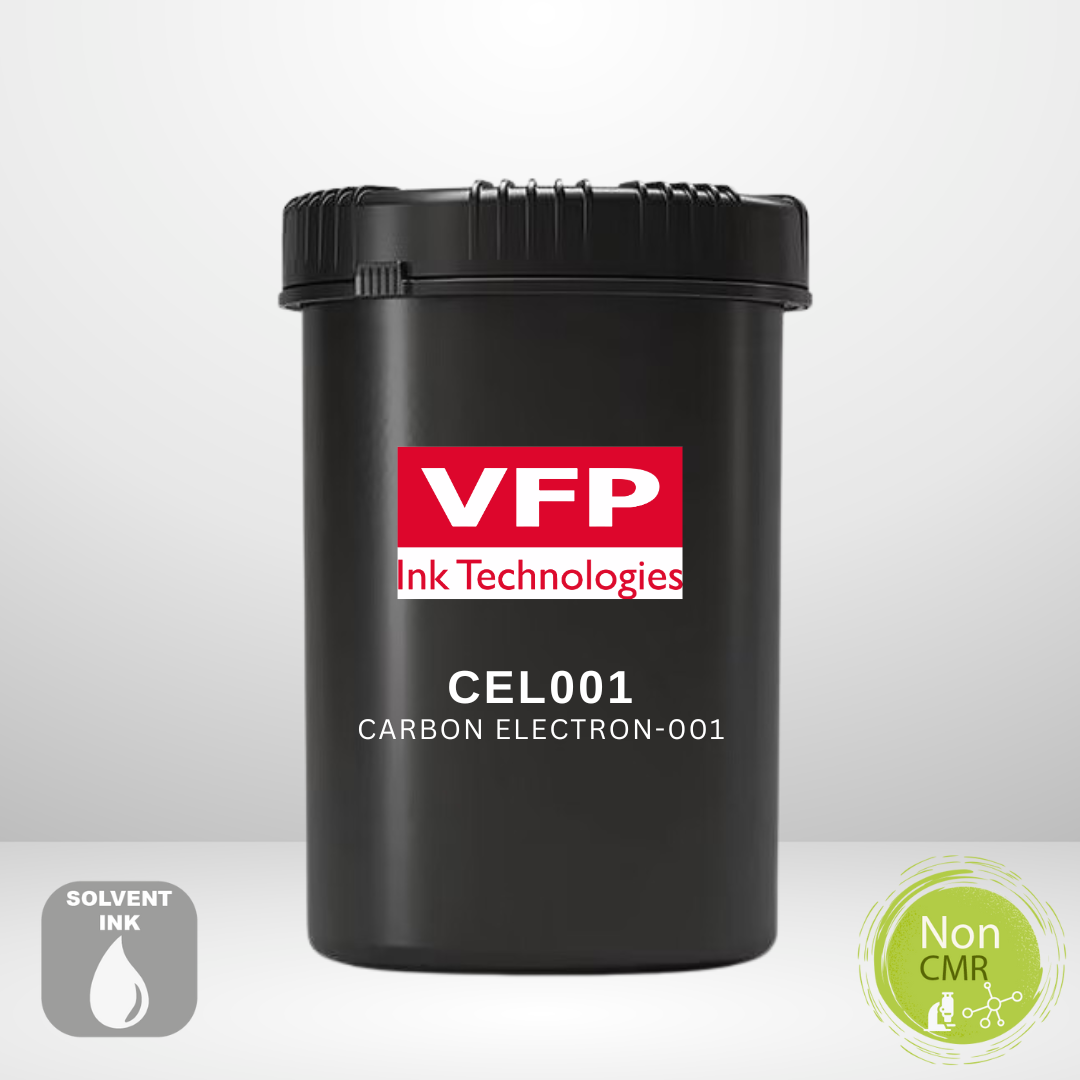
Grades and technical data sheets to consult: CEL001 (TDS), CEL003 (TDS).
Selection questions
- How can the appropriate grade be confirmed?
Compare the required function, substrate, process and curing conditions with the grade’s technical data sheet, then qualify the actual assembly.
Need a custom formulation?
Our technical sales team supports you from formulation selection through to industrial validation.